What is laser hair removal?
Laser hair removal is a cosmetic treatment that uses laser energy to target unwanted hair. The laser emits a concentrated beam of light that is absorbed by pigment in the hair. The absorbed energy produces heat around the hair follicle. This can damage the follicle and reduce its ability to produce hair.
The objective is not necessarily to remove every hair permanently after one treatment. Instead, laser hair removal generally involves a course of treatments designed to achieve progressive, long-term hair reduction.
The amount of reduction achieved varies between individuals. Factors such as hair colour, hair thickness, skin tone, treatment area, hormones and the laser technology used can all affect the outcome.
How does laser hair removal work?
Laser hair removal works using a principle known as selective photothermolysis. In simple terms, the laser energy is absorbed preferentially by pigment in the hair. The energy is converted into heat, which travels towards the hair follicle. The aim is to damage the follicle sufficiently to reduce future hair growth while limiting unnecessary heating of the surrounding skin.
The effectiveness of treatment depends on achieving an appropriate balance between:
- Hair pigment
- Skin pigment
- Laser wavelength
- Energy level
- Pulse duration
- Treatment area
- Hair thickness
- Hair growth cycle
This is why laser hair removal should be individually assessed rather than treated as a one-setting-fits-all procedure.
What happens to the hair follicle?
The laser targets the pigment within the hair. When sufficient energy is absorbed, heat can damage structures within the follicle responsible for producing hair.
Not every follicle is affected during every treatment. This is one of the reasons a course of treatments is normally required.
Over successive treatments, suitable hairs can become:
- Fewer
- Finer
- Lighter
- Slower growing
The goal is long-term reduction rather than simply removing the hair from the surface.
What areas can be treated?
Laser hair removal can be used on many areas of the body.
Common treatment areas include:
Face
- Upper lip
- Chin
- Jawline
- Sideburn area
- Neck
Body
- Underarms
- Arms
- Legs
- Bikini
- Brazilian area, where offered
- Abdomen
- Chest
- Back
- Shoulders
The exact areas available will depend on the treatment offered by The Clinic in Norwich.
During your consultation, Sharon can discuss the areas you would like treated and whether laser hair removal is appropriate for them.
Can laser hair removal permanently remove hair?
This is one of the most important questions to understand before treatment. Laser hair removal is better described as long-term or permanent hair reduction, rather than a guarantee that every hair will be removed forever. Some treated follicles may be permanently damaged and stop producing hair.
However, some hair may remain, and some follicles can become active again over time. Hormonal changes can also influence future hair growth.
For this reason, some patients require maintenance treatments. The result can be a significant reduction in the amount and thickness of unwanted hair, but no clinic should guarantee that every hair will disappear permanently.
Is laser hair removal suitable for everyone?
No.
Laser hair removal is not automatically suitable for every person or every hair type.
Your suitability depends on factors including:
- Skin tone
- Hair colour
- Hair thickness
- Treatment area
- Recent sun exposure
- Tanning
- Medication
- Skin conditions
- Hormonal factors
- Previous reactions to laser or light-based treatments
A consultation and appropriate skin assessment are therefore important before treatment.
Laser hair removal can be performed safely across a range of skin tones when the appropriate technology and treatment parameters are selected, but darker or recently tanned skin may require particular care because of the greater amount of pigment in the skin.
Does laser hair removal work on all hair colours?
No. Laser hair removal relies largely on pigment in the hair to absorb the laser energy. This means it generally works best when there is a useful contrast between the hair and surrounding skin.
Dark brown and black hair usually respond best.
Very light blonde, white and grey hairs contain little or no useful pigment for many laser systems and may therefore respond poorly or not at all.
Red hair can also be more difficult to treat depending on the technology being used.
If you have light or red hair, Sharon can assess the hair during your consultation and explain what results may realistically be expected.
Does laser hair removal work on dark skin?
Laser hair removal can be performed on a wide range of skin tones, but the laser and treatment settings need to be appropriate for the individual’s skin. The reason this matters is that the laser is targeting pigment in the hair while trying to avoid excessive heating of pigment in the surrounding skin.
Darker skin contains more melanin. This means treatment requires careful selection of technology and settings to minimise the risk of unwanted thermal injury or pigmentation changes.
Your skin tone and any recent tanning should always be discussed before treatment. The safest approach is an individual assessment rather than assuming that one laser setting is suitable for everyone.
Can laser hair removal treat facial hair?
Yes, facial hair can be treated in suitable patients.
Common areas include:
- Upper lip
- Chin
- Jawline
- Sideburns
- Neck
However, facial hair can behave differently from body hair.
Hormonal influences can stimulate new hair growth, meaning that long-term maintenance may sometimes be necessary.
Facial hair can also be more hormonally responsive, particularly in women.
If you have recently developed significant or unusually thick facial hair, it may be appropriate to discuss this with your GP because increased facial hair can sometimes be associated with hormonal conditions.
Can laser hair removal help ingrown hairs?
Yes, it can be particularly useful for people who experience recurrent ingrown hairs. Ingrown hairs can occur when shaved, waxed or plucked hairs grow back into the skin.
Reducing the number and thickness of hairs can reduce the frequency of shaving and may therefore help reduce problems associated with repeated hair removal.Laser hair removal is not a guaranteed treatment for every case of ingrown hairs, however. If you have persistent inflammation, infection, scarring or significant skin changes, a medical assessment may be appropriate.
Can laser hair removal help shaving irritation?
It may.
People who shave regularly can experience:
- Razor burn
- Redness
- Razor bumps
- Ingrown hairs
- Skin irritation
Reducing hair growth can reduce the need for frequent shaving.
For some patients, this can make a significant difference to how their skin looks and feels.
Does laser hair removal hurt?
The sensation varies from person to person and depends on the treatment area, hair thickness, skin sensitivity and laser system being used.
Patients commonly describe the laser pulses as feeling like:
- Warm pinpricks
- A quick snapping sensation
- Small flicks against the skin
- Heat
Areas with thicker or denser hair may feel more intense.
The treatment should not be expected to be completely sensation-free, but most patients find the treatment manageable.
Sharon will explain what you can expect before treatment begins.
Does laser hair removal have downtime?
Laser hair removal generally requires little or no significant downtime.
You may be able to return to normal daily activities soon after treatment.
However, the treated skin may temporarily appear:
- Red
- Warm
- Slightly swollen around individual follicles
- Sensitive
- Similar to mild sunburn
These effects usually settle relatively quickly.
You should follow the aftercare advice provided by The Clinic in Norwich.
How long does treatment take?
Treatment time depends on the size of the area.
Small areas such as the upper lip or chin can be treated relatively quickly.
Larger areas such as:
- Full legs
- Back
- Chest
- Full arms
will take longer.
Your appointment may also include time for:
- Consultation
- Skin assessment
- Preparation
- Treatment
- Aftercare advice
Your individual appointment time will depend on the area or areas being treated.
How many laser hair removal treatments will I need?
There is no single number that is right for everyone. Laser hair removal normally requires a course of treatments because hair grows in cycles. Only hairs in particular stages of the growth cycle are most responsive to treatment.
As a result, multiple sessions are needed to target different groups of hairs as they enter an appropriate growth phase. Many people require several treatments, and some require additional maintenance sessions.
The number of treatments you need will depend on:
- Your hair colour
- Hair thickness
- Skin tone
- Treatment area
- Hormonal influences
- Hair growth cycle
- Laser technology
- Individual response
How often can I have laser hair removal?
Treatment intervals are important because the laser needs to target hairs at an appropriate stage of the growth cycle. Treatments are therefore usually spaced several weeks apart. The exact interval depends on the treatment area and your individual hair-growth pattern.
Treating too frequently does not necessarily mean better results. Your practitioner will advise you when your next treatment should be scheduled.
When will I see results?
Some hairs may appear to shed following treatment.
You may notice that treated hair grows back:
- More slowly
- More sparsely
- Finer
- Less noticeably
Results vary considerably between individuals.
A single treatment is unlikely to provide the final result.
The improvement generally becomes more noticeable as you progress through your treatment course.
How long do laser hair removal results last?
Laser hair removal can provide long-term reduction in hair growth. Some treated follicles may stop producing hair permanently.
However, it is normal for some hair to remain or regrow. Maintenance treatments may be required.
Hormonal changes can also stimulate additional hair growth over time. This can be particularly relevant for facial hair. The aim is therefore long-term reduction rather than a guarantee of complete lifelong hair removal.
Why does laser hair removal require multiple treatments?
Hair does not all grow at the same time. Individual follicles move through different stages of the hair-growth cycle.
Laser treatment is most effective when the hair is in a suitable growth phase. At any one appointment, only a proportion of the hairs will be in that phase.
Waiting between treatments allows another group of hairs to enter an appropriate stage. This is why a course of treatments produces better results than repeatedly treating the same area at very short intervals.
What happens during treatment?
Your treatment generally involves several stages.
Consultation and assessment
We will discuss your goals and assess your skin and hair.
Preparation
The treatment area is prepared according to the clinic’s treatment protocol.
Protective eyewear
Appropriate laser safety procedures are followed and suitable protective eyewear is used.
Laser treatment
The laser handpiece is applied to the treatment area.
Short pulses of laser energy are delivered to target the hair.
Completion
The area is checked following treatment.
Aftercare
You will be given advice about caring for your skin following the procedure.
What happens immediately afterwards?
It is normal for the treated area to appear slightly red or feel warm. You may notice temporary swelling around individual hair follicles.
This can look similar to small raised bumps around the hairs. This is a common immediate response to treatment.
The skin should be treated gently afterwards. If you experience a reaction that seems more significant than expected, contact the clinic for advice.
What should I do before laser hair removal?
Before treatment, tell Sharon about:
- Any medication you are taking
- Recent cosmetic treatments
- Previous laser treatments
- Recent sun exposure
- Any tanning
- Skin conditions
- Previous unusual reactions
- A tendency to scar
- Any relevant medical history
Avoid treatment if the skin is significantly sunburned or irritated.
Recent tanning is particularly important because increased skin pigmentation can increase the risk of unwanted reactions.
Follow the specific preparation instructions given by The Clinic in Norwich.
Should I shave before laser hair removal?
You will generally be asked to shave the treatment area before laser hair removal. The reason is that the laser needs to target the hair follicle beneath the skin. Long hair sitting above the skin can absorb laser energy at the surface and may increase discomfort or unwanted heating.
Your clinic will advise you when to shave and how closely the area should be shaved before treatment.
Can I wax before laser hair removal?
Waxing removes the hair from the follicle. Because the laser needs the hair within the follicle as a target, waxing is generally avoided during a course of laser hair removal. The same principle applies to other methods that pull the hair out from the root.
Your practitioner can advise you on suitable hair-removal methods between treatments.
Can I pluck before laser hair removal?
Plucking removes the hair from the follicle and can interfere with the laser’s target. For this reason, plucking and similar methods are generally avoided during a laser hair removal course. Shaving is usually preferred between treatments because it leaves the follicle intact.
What should I do after laser hair removal?
Following treatment:
- Treat the skin gently
- Avoid unnecessary touching
- Follow your practitioner’s aftercare instructions
- Protect treated areas from direct sunlight
- Avoid tanning
- Use appropriate sunscreen when advised
- Avoid harsh exfoliation immediately after treatment
- Avoid irritating skincare products until the skin has settled
Your individual aftercare instructions may vary depending on the area treated and your skin’s response.
Can I exercise after laser hair removal?
It is sensible to avoid activities that generate significant heat or sweating immediately after treatment if your skin is warm, red or sensitive.
This may include:
- Intensive exercise
- Saunas
- Steam rooms
- Very hot baths
Allow your skin to settle and follow the specific advice provided by Sharon.
Can I swim after laser hair removal?
If the skin is irritated, warm or particularly sensitive after treatment, it is generally preferable to allow it to settle before swimming. Chlorinated or heavily treated water may irritate recently treated skin. Your practitioner can advise you on the appropriate interval based on your treatment and skin response.
Can I use deodorant after underarm laser hair removal?
Your underarm skin may be temporarily sensitive after treatment. If deodorant causes stinging or irritation, avoid using it until the skin has settled.
Follow the specific aftercare advice given following your treatment.
Can I wear makeup after facial laser hair removal?
This depends on your skin’s response and the treatment protocol. If your skin is calm, you may be able to return to normal activities relatively quickly. If the skin is significantly red, warm or irritated, it is generally better to allow it to settle rather than applying multiple cosmetic products immediately.
Follow the advice provided by your practitioner.
Can I have laser hair removal in summer?
Laser hair removal can be more complicated during periods of high sun exposure.
The main issue is tanning. Tanned skin contains more pigment, which can increase the risk of unwanted heating of the skin during treatment. If you have recently tanned, treatment may need to be postponed until the tan has faded sufficiently.
Sun protection is important throughout a treatment course.
If you are planning a holiday, tell Sharon in advance so that your treatment schedule can be planned appropriately.
Can I have laser hair removal if I have a tan?
Recent tanning is an important consideration before laser hair removal. Because the laser interacts with pigment, increased pigmentation in the skin can increase the risk of adverse effects. If you have recently been exposed to significant sunlight or used a tanning bed or artificial tanning product, tell the clinic before your appointment. Treatment may need to be postponed.
Never try to hide a tan before treatment. Accurate information about your recent sun exposure helps your practitioner make a safer treatment decision.
What are the risks and side effects?
Laser hair removal is generally well tolerated when appropriately selected and performed, but it is not completely risk-free.
Potential side effects include:
Redness
Temporary redness is common following treatment.
Swelling
Small areas of swelling around hair follicles can occur.
Discomfort
The treatment can produce warmth, snapping or pinprick sensations.
Pigmentation changes
Laser treatment can sometimes cause the treated skin to become temporarily lighter or darker.
In some cases, pigmentation changes can persist.
Burns
Excessive laser energy or inappropriate settings can cause thermal injury.
Blistering
More significant thermal reactions can cause blistering.
Crusting
Skin irritation or thermal injury can occasionally result in crusting.
Scarring
Scarring is uncommon but is a recognised potential complication of laser treatment.
Infection
Infection is uncommon but possible if the skin barrier becomes compromised.
Paradoxical hair growth
Rarely, some patients can experience increased or thicker hair growth around the treated area. This is known as paradoxical hypertrichosis and is reported more often in certain treatment situations, including some facial areas.
Your individual risks should be discussed during your consultation.
Can laser hair removal cause pigmentation?
Yes.
Pigmentation changes are a recognised potential side effect of laser hair removal.
The treated skin can occasionally become:
- Darker
- Lighter
- Unevenly pigmented
The risk can be influenced by factors such as:
- Natural skin tone
- Recent tanning
- Laser wavelength
- Treatment settings
- Sun exposure
- Individual skin response
This is one reason why accurate assessment and appropriate treatment settings are important.
Sun protection following treatment is also important.
Can laser hair removal cause burns?
Yes, although significant burns are not the expected outcome of correctly performed treatment. Laser hair removal uses concentrated energy to produce heat around the hair follicle.
If inappropriate settings are used, or if the skin is not suitable for treatment at that time, excessive thermal injury can occur.
Potential consequences can include:
- Burns
- Blistering
- Crusting
- Pigmentation changes
- Scarring
This reinforces the importance of appropriate training, assessment, equipment and treatment protocols.
Who should not have laser hair removal?
Laser hair removal is not suitable for everyone.
Treatment may need to be postponed or avoided if you have:
- Significant sunburn
- Recent tanning
- Active skin infection
- Open wounds
- Significant skin irritation
- Certain photosensitive conditions
- Certain medications
- Certain skin conditions
- A history of problematic reactions to laser treatment
This is not an exhaustive list.
Your suitability should always be assessed individually.
Always provide accurate information about your health, medication, skincare and recent sun exposure.
Can hormones affect laser hair removal?
Yes. Hormonal activity can have a significant effect on hair growth. This is particularly relevant to facial hair.
Hormonal changes can stimulate new follicles or cause existing fine hairs to become thicker.
Examples of circumstances that can affect hair growth include:
- Hormonal changes
- Menopause
- Pregnancy-related changes
- Certain medications
- Endocrine conditions
This does not necessarily mean that laser hair removal will not work.
It means that some patients may require more treatments or ongoing maintenance.
Can laser hair removal treat PCOS-related hair growth?
Laser hair removal can be used to reduce unwanted hair in people whose hair growth is influenced by hormonal conditions such as PCOS. However, laser treatment does not treat the underlying hormonal cause. If hormone levels continue to stimulate new hair growth, additional treatments may be needed. If you have significant or newly developing facial hair, it may be appropriate to discuss the underlying cause with your GP or another appropriate healthcare professional.
The aim of laser hair removal is to reduce unwanted hair, not to treat the underlying medical condition.
Can men have laser hair removal?
Absolutely.
Laser hair removal is used by men for both cosmetic and practical reasons.
Common treatment areas include:
- Back
- Chest
- Shoulders
- Neck
- Beard
- Upper body
- Arms
- Legs
- Abdomen
Men may choose treatment because they are tired of shaving, want to reduce body hair or experience irritation and ingrown hairs. Because male hair can be dense and coarse, treatment can sometimes feel more intense. The number of treatments required varies from person to person.
Can I have laser hair removal on my face?
Facial laser hair removal is possible for suitable patients.
Common areas include the:
- Upper lip
- Chin
- Jawline
- Neck
- Sideburn area
Facial hair can be more influenced by hormones than body hair. This means that maintenance treatment may be more likely.
It is also important to distinguish unwanted terminal facial hair from very fine facial hair, because laser treatment is not appropriate for every type of facial hair. Sharon can assess the hair and explain whether laser treatment is suitable.
Can laser hair removal cause more hair growth?
Rarely, laser or light-based hair treatments can be associated with paradoxical hypertrichosis, where hair becomes thicker or more noticeable in or around the treatment area. This is an uncommon but recognised complication.
It appears to be more relevant in certain circumstances and treatment areas, including some facial treatments. Your practitioner should assess whether laser treatment is appropriate for the type and location of hair you want treated.
Is laser hair removal the same as IPL?
No. Although both laser hair removal and intense pulsed light (IPL) use light energy to target hair pigment, they are different technologies.
A laser generally delivers light at a specific wavelength or set of wavelengths. IPL uses a broader spectrum of light. Both can be used for hair reduction, but they are not interchangeable.
The most appropriate option depends on your skin, hair and the equipment being used. When comparing treatments, it is important to look at the actual technology rather than simply assuming that all light-based hair removal treatments are the same.
Is laser hair removal the same as electrolysis?
No. Laser hair removal uses light energy to target pigment within the hair and damage the follicle. Electrolysis uses an electrical current delivered directly into individual hair follicles.
One important difference is hair colour. Laser treatment generally relies on pigment within the hair, meaning very light or non-pigmented hairs can be difficult or impossible to treat effectively with many laser systems.
Electrolysis can be used for individual hairs regardless of hair colour. The appropriate option depends on the individual.
Is laser hair removal better than waxing?
The two treatments work in completely different ways.
Waxing
Waxing physically removes the hair from the follicle.
Results are temporary and the hair eventually grows back.
Laser hair removal
Laser treatment targets the follicle itself with the aim of producing long-term hair reduction.
Laser hair removal requires a course of treatments and an upfront commitment, but can significantly reduce the need for ongoing shaving or waxing.
Which option is best depends on your priorities, budget, hair type and desired outcome.
Frequently asked questions
You can find the answers to some common questions here.
Laser hair removal uses concentrated light energy to target pigment in the hair and damage the follicle, with the aim of achieving long-term reduction in hair growth.
Laser hair removal can provide long-term and, for some follicles, permanent hair reduction. However, some hair may remain or regrow and maintenance treatments may be required.
Most people need a course of treatments because hair grows in cycles. The number required varies according to the individual, treatment area, hair and skin characteristics.
Most patients describe a warm snapping or pinprick sensation. Discomfort varies depending on the treatment area and hair thickness.
Laser hair removal generally works best on darker, pigmented hair. Very blonde, white and grey hairs may respond poorly because they contain little pigment.
It can be suitable for a range of skin tones when the appropriate laser technology and settings are used. Skin tone and recent tanning must be assessed before treatment.
Yes, suitable facial areas such as the upper lip, chin and jawline can be treated. Hormonal influences can mean that facial hair requires ongoing maintenance.
It may. Reducing hair growth can reduce the need for shaving and may help people who experience recurrent ingrown hairs.
It may reduce shaving-related irritation by reducing the need to shave.
Treatments are generally spaced several weeks apart because the laser targets hairs during particular stages of their growth cycle.
Yes. Shaving is generally preferred because it leaves the hair follicle intact.
Waxing is generally avoided because it removes the hair from the follicle, which is needed as a target for the laser.
Plucking is generally avoided for the same reason as waxing: it removes the hair from the follicle.
Potentially, but sun exposure and tanning need to be carefully managed. Recent tanning can mean that treatment needs to be postponed.
Recent tanning can increase the risk of adverse reactions. Tell the clinic about recent sun exposure or tanning before treatment.
Yes. Temporary or, less commonly, persistent lightening or darkening of the skin can occur.
Burns are an uncommon but recognised risk, particularly when inappropriate settings are used or the skin is not suitable for treatment.
The aim of treatment is to reduce hair growth. Rarely, paradoxical hair growth can occur, particularly in certain treatment situations.
Yes. Men commonly have laser hair removal on the back, chest, shoulders, neck, beard and other body areas.
No. Both use light energy, but laser and IPL are different technologies.
Laser hair removal offers longer-term reduction, whereas waxing provides temporary hair removal. The best option depends on your individual circumstances and goals.
It can reduce unwanted hair associated with hormonal conditions such as PCOS, but it does not treat the underlying hormonal cause.
Potentially, but you should plan ahead. Sun exposure and tanning can affect whether treatment is safe and appropriate.
Yes, but it is better to begin a treatment course well in advance. A course requires multiple sessions, and your skin may temporarily react after treatment.
Your laser hair removal consultation at The Clinic in Norwich
If you’re tired of shaving, waxing or plucking unwanted hair, laser hair removal could provide a longer-term solution.
At The Clinic in Norwich, treatments are performed by Sharon, our Level 5 Laser Technician.
Your consultation is an important part of the process.
We will assess your skin tone, hair colour, hair thickness, treatment area, recent sun exposure, previous hair-removal methods and your treatment goals.
We can then explain whether laser hair removal is appropriate and what sort of results you may realistically expect.
Whether your goal is smoother legs, reduced underarm hair, less bikini-area hair, reduced facial hair, fewer ingrown hairs, less shaving irritation, reduced chest or back hair or long-term hair reduction, the first step is an individual assessment.
Ready to reduce unwanted hair?
Book a consultation at The Clinic in Norwich.
We’ll assess your skin and hair, discuss your goals and explain whether laser hair removal is the right treatment for you.
A final word
Laser hair removal can be an excellent option for people who want to spend less time shaving, waxing or managing unwanted hair.
It is not an instant solution and it is not a guarantee that every hair will disappear permanently.
The best results usually come from a properly planned course of treatments, realistic expectations and good aftercare.
Your skin tone, hair colour, hormones and individual response all matter.
That is why laser hair removal should never be treated as a one-size-fits-all procedure.
The right treatment starts with understanding your skin and your hair.
Important information
The information in this guide is provided for general educational purposes and does not replace an individual consultation or professional assessment.
Results vary between individuals and no specific result can be guaranteed.
Potential risks of laser hair removal include redness, swelling, discomfort, burns, blistering, crusting, infection, scarring and temporary or persistent pigmentation changes. Rarely, paradoxical hair growth can occur.
A suitability assessment should be completed before treatment.
Recent tanning or significant sun exposure may mean that treatment needs to be postponed.
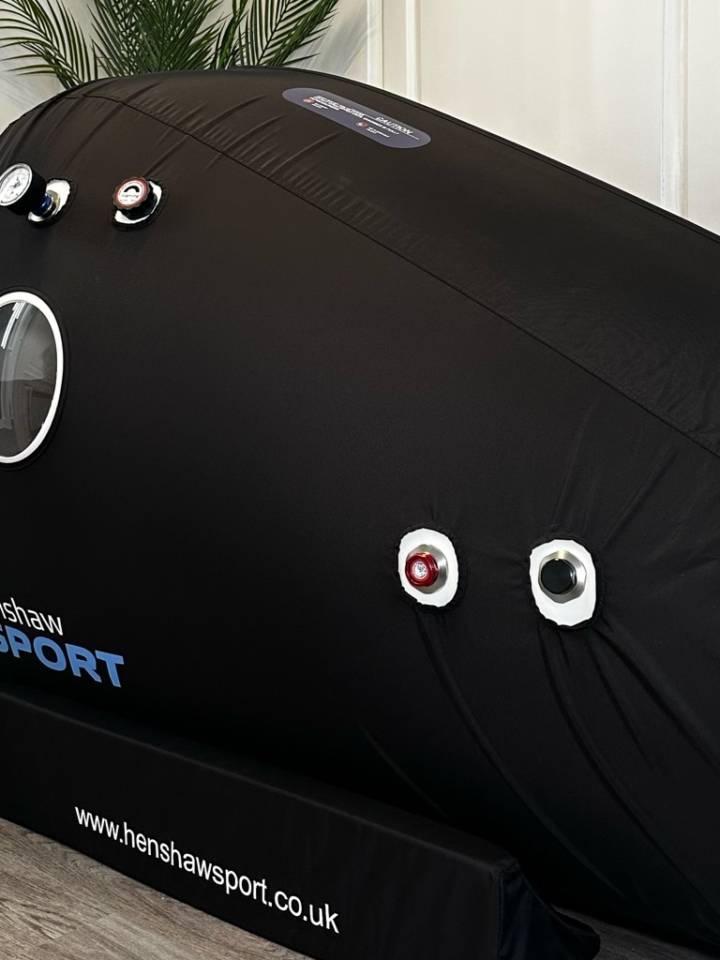
Hyperbaric Soft-Shell Chamber: A Complete Patient Guide
Hyperbaric Soft-Shell Chamber: A Complete Patient GuideHyperbaric therapy is a relaxing treatment that involves spending time inside a specially designed chamber where atmospheric pressure is gently increased.
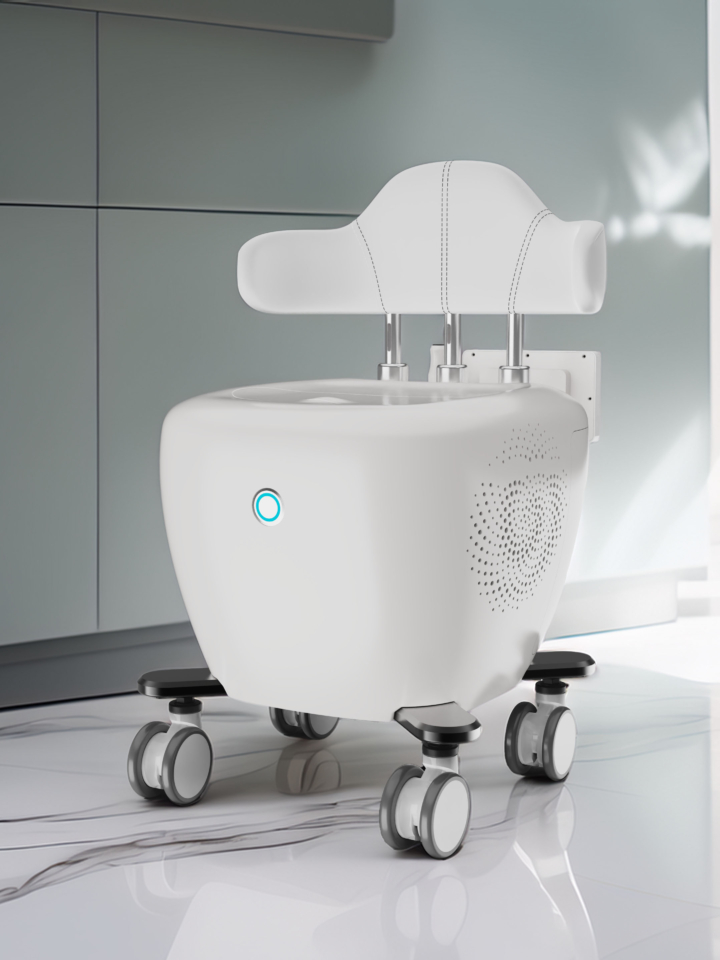
Supramax Pelvic Floor Chair in Norwich
Supramax Pelvic Floor Chair in NorwichNon-Invasive Pelvic Floor Strengthening for Women & Men
EMFACE in Norwich: The Complete Guide to Non-Surgical Facial Toning, Lifting & Rejuvenation
EMFACE in Norwich: The Complete Guide to Non-Surgical Facial Toning, Lifting & RejuvenationIf you’re looking for a non-surgical facial treatment that works on both the skin and the underlying facial muscles, EMFACE is an increasingly popular option.
IPL for Pigmentation, Redness & Vascular Concerns in Norwich: The Complete Patient Guide
IPL for Pigmentation, Redness & Vascular Concerns in Norwich: The Complete Patient GuideIf you are noticing brown pigmentation, sun spots, uneven skin tone, facial redness, broken capillaries or visible thread veins, IPL may be an effective treatment option for improving the appearance of these concerns.
LASER CARBON FACIAL
LASER CARBON FACIALThe Complete Guide to Carbon Laser Facials, Skin Rejuvenation & Clearer-Looking Skin
A detailed patient guide to the treatment, benefits, results, risks and aftercare
LASER EYEBROW TATTOO REMOVAL
LASER EYEBROW TATTOO REMOVALThe Complete Guide to Removing Tattooed, Microbladed & Semi-Permanent Eyebrows. A detailed patient guide to treatment, results, risks and complications
WOW Fusion Treatment in Norwich: Benefits, Results, Downtime & Cost
WOW Fusion Treatment in Norwich: Benefits, Results, Downtime & CostWOW Fusion is a personalised skin treatment that combines microneedling with the controlled delivery of carefully selected skincare ingredients through a specialist 20-needle device.
CryoPen FAQs and Aftercare
CryoPen FAQs and AftercareLearn more about the Cryopen treatment and what will happen to your skin post-procedure.
Microneedling for hair loss: What you need to know
Microneedling for hair loss: What you need to knowGenetics, hormonal changes, stress, ageing and health changes can cause hair loss and thinning. Whatever the cause, you may feel frustrated, disheartened and lack confidence and want to do something about it.
Microneedling: The Ultimate Guide
Microneedling: The Ultimate GuideIf you're looking to enhance the appearance of your skin, it’s likely that microneedling has caught your attention. Backed by clinical evidence and suitable for most skin types, results include improved skin texture, tone and firmness without significant downtime.