While there is no single treatment that works for everyone, scalp microneedling is becoming a popular option for people looking to support healthier, stronger hair growth.
In this article, our medically trained consultants answer common questions about microneedling for hair loss, including who it may be suitable for, what to expect from treatment and how to decide whether it’s right for you.
Does microneedling for hair loss work?
Research suggests that scalp microneedling can improve hair growth and thickness in some types of hair loss. It is often used to support scalp health and may be included as part of a hair transplant plan.
How does scalp microneedling work?
As the name suggests, scalp microneedling uses a device with very fine needles to create tiny channels in the surface of the scalp. This stimulates the skin’s natural repair process and may support increased collagen production and release of growth factors around the hair follicles.
To enhance the effects of treatment, a serum such as platelet-rich plasma (PRP) or exosomes may be applied. At The Clinic Norwich, we typically provide scalp microneedling with exosomes to encourage hair growth.
Who is scalp microneedling for?
Microneedling for hair growth may be suitable for both men and women with concerns around hair thinning and loss. Suitability depends on the cause of hair loss, the condition of the scalp and the stage of thinning.
It is most commonly used for androgenetic alopecia, also known as male or female pattern hair loss. This type of hair loss often becomes more noticeable with age, hormonal changes or, for some women, during and after menopause.
Scalp microneedling can also be considered for people with alopecia areata, a condition in which the immune system affects the hair follicles and causes patchy hair loss. It may also be recommended after a hair transplant, once the scalp has fully recovered.
At your initial consultation, our team will discuss your concerns and recommend a course of treatment, if appropriate.
Does microneedling on the scalp hurt?
Treatment is typically described as mildly uncomfortable, rather than painful.
A numbing treatment is applied to the scalp before treatment begins and the microneedles are very fine, only penetrating the skin to a controlled depth. When carried out by an experienced practitioner, treatment should feel manageable, although some areas of the scalp may be more sensitive than others.
Are there any side effects of microneedling the scalp?
You may experience slight irritation, redness or swelling as the scalp heals, but this is a normal process. You may also experience some flaking. Both are temporary and will pass in the week following treatment.
The risk of side effects is reduced when treatment is carried out by a trained practitioner using sterile, single-use equipment, and when aftercare guidance is followed carefully.
When will I see the results of scalp microneedling?
The results will not be instant because of the healing process involved and the time it takes for hair to grow. However, some people start to see results within months of their first session. Improvements may develop over time as collagen production increases and hair begins to grow.
Can I microneedle my scalp at home?
At-home kits are available, but they are not the same as a professional treatment. The needles may not reach the right depth and the technique is less precise.
There is also a greater risk of irritation, infection and side effects if microneedling is carried out without proper hygiene controls. For this reason, we recommend that microneedling should be carried out by a trained practitioner.
Scalp microneedling aftercare
To help you get the best results after you leave The Clinic, it’s important to follow these aftercare tips:
Protect your scalp from the sun
Your skin will be more sensitive after microneedling so avoid exposing your head to the sun for 48 hours. For the week that follows, wear a hat or use a suitable sunscreen.
Avoid touching your scalp
For 24 hours, keep your hands away from your head. This reduces the chances of infection and irritation.
Use a serum or moisturiser
Once the micro-channels have closed – around 24 hours after treatment – we may advise you to apply a non-comedogenic serum or moisturiser to minimise itching or irritation. Our team will explain which products are suitable.
Avoid washing your hair
Twenty-four hours is usually enough, but be sure to use a gentle shampoo that’s free from potential irritants, such as sulphates and essential oils, which may dry the skin. Similarly, avoid swimming. The chlorine in pool water can dry the scalp and affect the healing process.
Keep cool
We recommend avoiding saunas, steam rooms and exercise for 48 hours. This will give your scalp time to heal while minimising the risk of infection.
How often do I need to have microneedling for hair loss?
The frequency of treatment sessions depends on several factors, including your age, health and hair loss concerns.
We will conduct an initial consultation with you before recommending a course of treatment that meets your needs. Typically, we recommend a course of three treatments a month apart. Annual maintenance treatments may be needed to support long-term results.
Scalp microneedling in Norwich
At The Clinic, our team of medically trained consultants use state-of-the-art equipment and serums to provide microneedling treatments in the heart of Norwich. To find out more about how microneedling could support hair growth and scalp health, book a no-obligation consultation today.

Book a treatment
Book an initial consultation so that we can discuss your concerns and the options available. Existing patients are welcome to book additional consultations to discuss further treatment options.
IPL for Pigmentation, Redness & Vascular Concerns in Norwich: The Complete Patient Guide
IPL for Pigmentation, Redness & Vascular Concerns in Norwich: The Complete Patient GuideIf you are noticing brown pigmentation, sun spots, uneven skin tone, facial redness, broken capillaries or visible thread veins, IPL may be an effective treatment option for improving the appearance of these concerns.
The Complete Guide to Laser Hair Removal, Hair Reduction & Smoother-Looking Skin
The Complete Guide to Laser Hair Removal, Hair Reduction & Smoother-Looking SkinA detailed patient guide to the treatment, benefits, results, risks and aftercare
LASER CARBON FACIAL
LASER CARBON FACIALThe Complete Guide to Carbon Laser Facials, Skin Rejuvenation & Clearer-Looking Skin
A detailed patient guide to the treatment, benefits, results, risks and aftercare
LASER EYEBROW TATTOO REMOVAL
LASER EYEBROW TATTOO REMOVALThe Complete Guide to Removing Tattooed, Microbladed & Semi-Permanent Eyebrows. A detailed patient guide to treatment, results, risks and complications
WOW Fusion Treatment in Norwich: Benefits, Results, Downtime & Cost
WOW Fusion Treatment in Norwich: Benefits, Results, Downtime & CostWOW Fusion is a personalised skin treatment that combines microneedling with the controlled delivery of carefully selected skincare ingredients through a specialist 20-needle device.
CryoPen FAQs and Aftercare
CryoPen FAQs and AftercareLearn more about the Cryopen treatment and what will happen to your skin post-procedure.
Microneedling: The Ultimate Guide
Microneedling: The Ultimate GuideIf you're looking to enhance the appearance of your skin, it’s likely that microneedling has caught your attention. Backed by clinical evidence and suitable for most skin types, results include improved skin texture, tone and firmness without significant downtime.
What to expect from advanced skin analysis
What to expect from advanced skin analysisWith so much skincare advice, trending treatments and conflicting information online, it can be difficult to know what your skin actually needs. A professional skin assessment helps build a clearer picture of your skin health and what you would like to improve, allowing us to recommend treatments and skincare tailored to your needs.
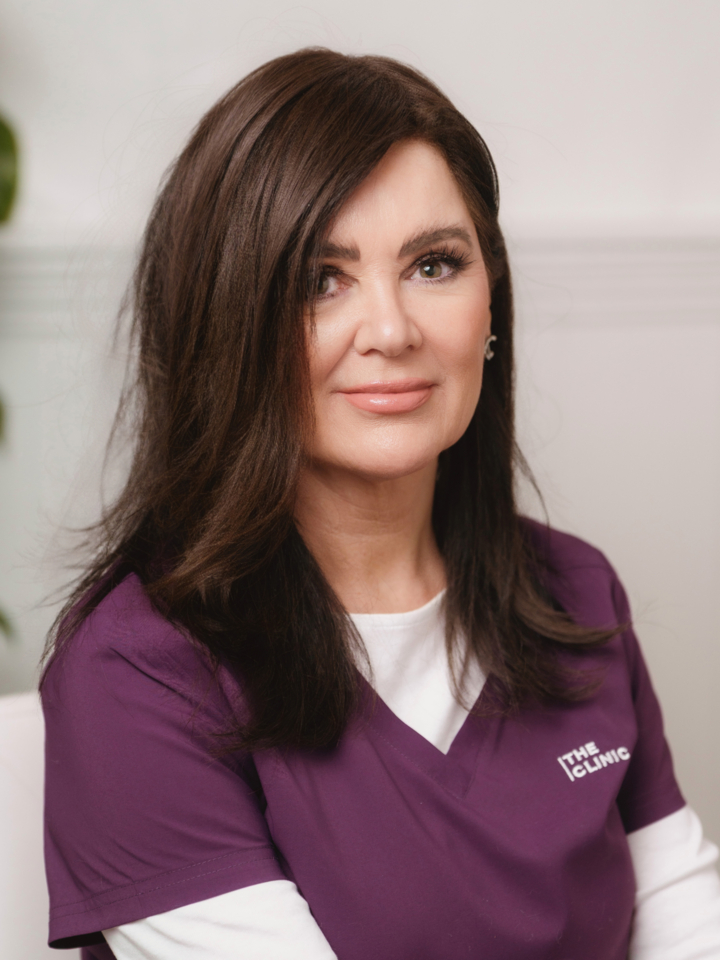
Introducing Sharon Cook, Laser Technician
Introducing Sharon Cook, Laser TechnicianThe Clinic is pleased to welcome Sharon Cook, a highly experienced Laser Technician. With more than ten years’ experience in advanced laser treatments, Sharon brings clinical expertise in device-led skin and hair procedures. Her approach aligns with the clinic’s emphasis on safety, precision and natural outcomes.

Pelvic Floor Chair Treatment: What You Need to Know
Pelvic Floor Chair Treatment: What You Need to KnowPelvic floor health plays an important role in comfort, confidence and everyday wellbeing. For many people, changes in pelvic floor strength happen gradually and often without a clear starting point. Pregnancy, childbirth, hormonal changes, ageing and everyday physical demands can all place pressure on the pelvic floor over time.
Because these changes tend to develop slowly, symptoms are often accepted as something to live with rather than something to talk about, even though they are common and experienced by many people at different stages of life.