Why have your moles mapped?
Most moles are harmless. However, changes in a mole can sometimes be a sign that it needs further assessment. It can be difficult to remember exactly what your moles looked like several months or years ago, particularly when you have numerous lesions or moles in areas that are difficult to see yourself. Mole mapping provides a detailed baseline record, making it easier to identify changes over time. The images can be compared during future appointments, while the dermatology review provides an additional professional assessment of the lesions captured.This can help provide reassurance where lesions appear stable, while also helping identify areas that may warrant further clinical investigation.
What happens during a Map My Mole appointment?
Your appointment begins with a discussion about your skin, your concerns and any particular moles or lesions you would like assessed. A detailed visual assessment is then carried out and appropriate images are taken to create your mole map. The process is straightforward and non-invasive. There is no cutting, injecting or treatment involved during the mapping appointment. The purpose is surveillance and assessment rather than cosmetic removal.
Once the detailed images have been captured, they are securely sent to dermatology for analysis as part of the service. The dermatology team reviews the images and assesses the appearance and characteristics of the mapped lesions. Where appropriate, the review can help determine whether an area appears suitable for ongoing monitoring or whether further medical investigation should be considered.
Dermatology Review & Analysis
One of the important aspects of the Map My Mole service at The Clinic in Norwich is that your detailed images are not simply stored for future comparison. As part of the service, the images are securely submitted to a dermatology service for professional analysis. The dermatology review provides an additional level of clinical oversight and allows the mapped lesions to be assessed by dermatology professionals.
The review may identify areas that require closer monitoring or further medical assessment. Where appropriate, the dermatology assessment may provide reassurance that a lesion appears suitable for ongoing surveillance. If a mole or lesion requires further investigation, you will be advised about the appropriate next step. This may include assessment by your GP, a dermatologist or another suitable healthcare professional.
What happens to my images?
Your detailed mole images are captured during your appointment and securely submitted for dermatology analysis. The images form part of your mole mapping record and can also provide a valuable baseline for comparison during future assessments. The dermatology review forms an important part of the overall service, meaning your images are not simply photographed and filed away for future reference.
Is the dermatology review a diagnosis?
The dermatology analysis provides an additional professional review of your images. However, photographic assessment cannot replace a face-to-face medical examination where one is clinically indicated. If a lesion is considered to require further investigation, you may be advised to seek an in-person medical assessment. Similarly, if you notice a mole changing, bleeding, crusting, itching or otherwise behaving differently after your appointment, you should seek appropriate medical advice rather than waiting for your next scheduled mole mapping review.
What can mole mapping look for?
During skin surveillance, attention may be given to changes such as:
- A mole becoming larger
- Changes in shape or symmetry
- Changes in colour
- Development of multiple colours within a lesion
- An irregular or poorly defined border
- A new lesion appearing
- A mole becoming raised or changing in texture
- Persistent bleeding, crusting or ulceration
- A mole that is changing or looks noticeably different from your other moles
It is important to remember that not every changing mole is melanoma, and not every melanoma necessarily looks the same.
Professional assessment is therefore important if you notice something new or changing.
The ABCDE Rule
You may have heard of the ABCDE approach to checking moles:
A – Asymmetry
One half of the mole does not look like the other.
B – Border
The edges may be irregular, uneven or poorly defined.
C – Colour
There may be changes in colour or several different colours within the lesion.
D – Diameter
A lesion may be larger than expected, although melanoma can also be smaller than this.
E – Evolving
The mole is changing in appearance, size, shape, colour or symptoms.
The E for evolving is particularly important. A mole that is changing should not simply be ignored because it has previously been present for many years.
Who may benefit from mole mapping?
Map My Mole can be particularly helpful for people who:
- Have a large number of moles
- Have atypical or unusual-looking moles
- Have previously had a mole requiring medical assessment
- Have significant cumulative sun exposure
- Regularly use tanning beds or have done so in the past
- Have difficulty monitoring areas of their own body
- Want a professional baseline record of their moles
- Would like greater structure and confidence around ongoing skin surveillance
Your individual circumstances will determine how frequently monitoring is appropriate.
How often should moles be checked?
There is no single monitoring schedule that is right for everyone. Some people may benefit from annual surveillance, while others may require a different interval depending on their individual skin, number of moles and previous history. Your practitioner can discuss an appropriate monitoring plan with you. Between professional appointments, you should still remain familiar with your own skin and report any new or changing lesions rather than waiting for your next mapping appointment.
Is mole mapping a diagnostic test?
Mole mapping is primarily a surveillance and monitoring service. The addition of dermatology image analysis provides an important additional layer of professional review, but it should not be regarded as a guarantee that skin cancer is present or absent. If a lesion is identified as requiring further investigation, appropriate medical assessment will be recommended. A mole should never be removed simply because it looks unusual without appropriate clinical consideration.
Can Map My Mole detect skin cancer?
Mole mapping and dermatology image analysis can help identify lesions or changes that may warrant further investigation. However, no photographic monitoring system can guarantee that skin cancer will be detected, and a stable photograph does not automatically mean that a lesion is harmless. If you notice a lesion changing, bleeding, itching, crusting or otherwise behaving differently, you should seek appropriate medical advice.
Does mole mapping hurt?
No. Mole mapping is a non-invasive process and does not normally cause discomfort.
There are no needles, injections or surgical procedures involved in the mapping itself.
What should I do before my appointment?
Ideally, arrive with your skin clean and free from products that could interfere with photography. Avoid applying heavy makeup, fake tan or body products over areas that need to be photographed where possible. Wear clothing that allows the areas requiring assessment to be accessed comfortably. If you have a particular mole that concerns you, make your practitioner aware of it at the beginning of your appointment.
What happens after my appointment?
Following your appointment, your detailed images are securely submitted for dermatology analysis. Once the review has been completed, you will be advised of the outcome and any recommendations for ongoing monitoring or further assessment where appropriate. Your images can also provide an important baseline for future comparison. It is important to continue checking your skin yourself between appointments. If you notice a significant change before your next scheduled review, do not wait for the next mapping appointment. Seek appropriate medical advice.
Why choose Map My Mole at The Clinic in Norwich?
Combining detailed photographic mole mapping with dermatology analysis provides a structured approach to ongoing skin surveillance.
The service can help you:
- Create a detailed baseline record of your moles
- Monitor lesions over time
- Identify changes more easily
- Have your images professionally reviewed by dermatology
- Receive recommendations where further assessment may be appropriate
- Develop a more structured approach to monitoring your skin
- Have greater confidence in keeping track of your moles
At The Clinic in Norwich, our approach is centred around professional care, patient education and realistic expectations. We understand that finding a new or changing mole can be worrying. Our aim is to provide a calm, structured approach to skin surveillance while recognising the importance of appropriate medical referral when required.
Mole mapping is not about creating unnecessary concern. It is about establishing a detailed record of your skin, having your images professionally reviewed and helping you become more aware of changes that may need attention. Our clinic is nurse-led and based in a high-end setting in Norwich, opposite the cathedral, with an emphasis on personalised care and patient experience.
When should I seek medical advice?
You should seek appropriate medical advice if you notice a mole or skin lesion that is:
- Rapidly changing
- Bleeding without an obvious cause
- Persistently crusting or ulcerating
- Developing significant changes in colour or shape
- Becoming noticeably different from your other moles
- New and unusual in appearance
- Persistently itchy, painful or otherwise symptomatic
Mole mapping should complement, not replace, awareness of your own skin and appropriate medical assessment.
FAQs
You can find the answers to some common questions here.
For people with multiple moles or increased concern about changes in their skin, mole mapping can provide a useful baseline and a structured way of monitoring lesions over time.
The additional dermatology image analysis provides another level of professional review as part of the service.
Map My Mole is a monitoring and surveillance service rather than a mole-removal treatment. If a lesion requires medical assessment or removal, appropriate onward advice should be followed.
Yes. In fact, people with numerous moles may find mapping particularly useful because it can be difficult to monitor every lesion accurately without a photographic record.
Yes. Areas that are difficult to monitor yourself can be particularly useful to document professionally.
No. If you have a mole that is changing or concerning, you should seek appropriate medical advice.
Mole mapping and dermatology image analysis are designed to support skin surveillance and do not replace appropriate medical diagnosis or examination.
Yes. As part of the Map My Mole service, detailed images captured during your appointment are securely sent to dermatology for professional analysis.
If the dermatology review indicates that a lesion may require further investigation, you will be advised about the appropriate next step. This may include seeking assessment from your GP, dermatologist or another appropriate healthcare professional.
Changes can occur over different periods of time, which is why being familiar with your skin and reporting changes is important.
Regular monitoring can provide useful information, but you should not wait for a scheduled mapping appointment if you notice a concerning change.
Book a Map My Mole Appointment in Norwich
If you would like a professional baseline of your moles, detailed photographic mapping and dermatology analysis as part of your skin surveillance, Map My Mole at The Clinic in Norwich provides a comprehensive and non-invasive approach to monitoring your skin.
Whether you have multiple moles, find it difficult to monitor your back and other areas, have a particular mole you are concerned about or simply want a structured record of your skin, our team can discuss whether Map My Mole is appropriate for you.
The Clinic, Norwich – professional skin surveillance with detailed mole mapping and dermatology review.

Book a treatment
Book an initial consultation so that we can discuss your concerns and the options available. Existing patients are welcome to book additional consultations to discuss further treatment options.
Skin Tag & Milia Removal in Norwich
Skin Tag & Milia Removal in NorwichA Guide to Safe, Professional Removal at The Clinic
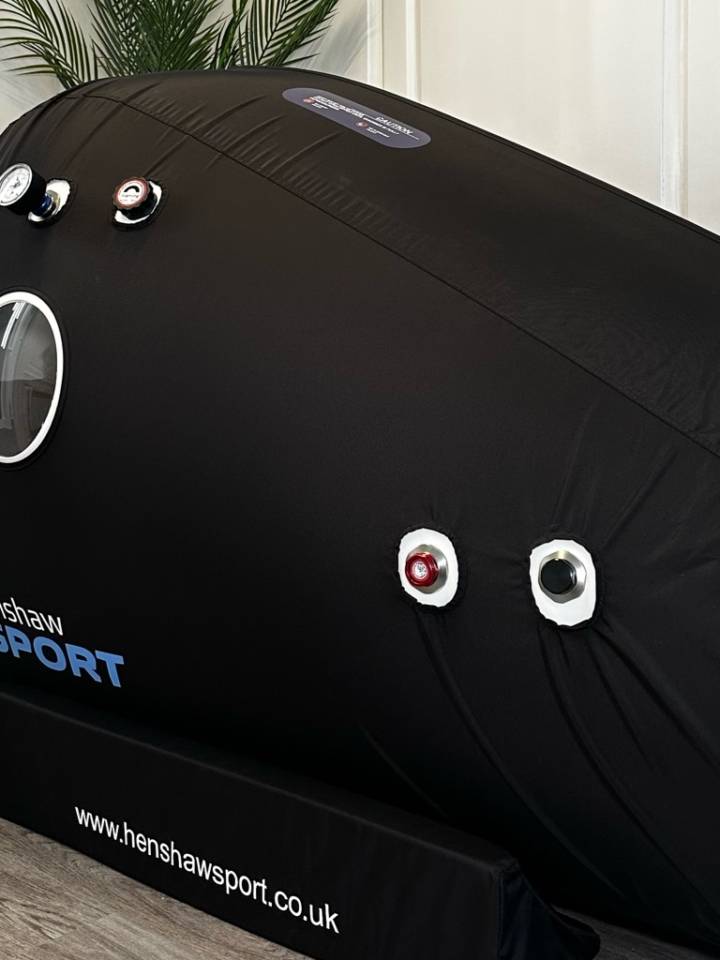
Hyperbaric Soft-Shell Chamber: A Complete Patient Guide
Hyperbaric Soft-Shell Chamber: A Complete Patient GuideHyperbaric therapy is a relaxing treatment that involves spending time inside a specially designed chamber where atmospheric pressure is gently increased.
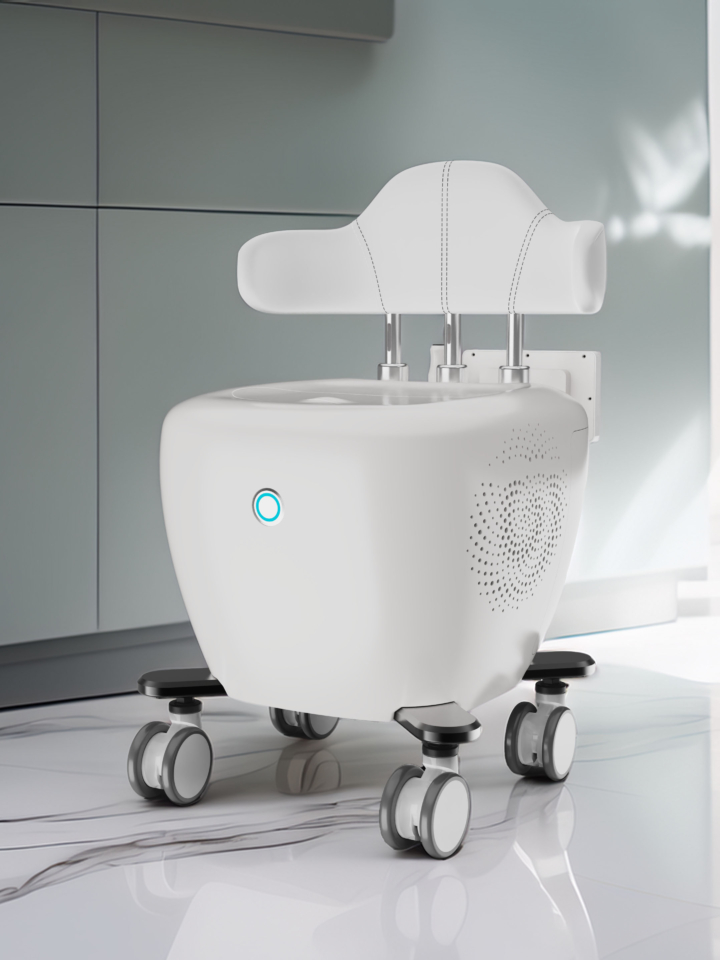
Supramax Pelvic Floor Chair in Norwich
Supramax Pelvic Floor Chair in NorwichNon-Invasive Pelvic Floor Strengthening for Women & Men
EMFACE in Norwich: The Complete Guide to Non-Surgical Facial Toning, Lifting & Rejuvenation
EMFACE in Norwich: The Complete Guide to Non-Surgical Facial Toning, Lifting & RejuvenationIf you’re looking for a non-surgical facial treatment that works on both the skin and the underlying facial muscles, EMFACE is an increasingly popular option.
IPL for Pigmentation, Redness & Vascular Concerns in Norwich: The Complete Patient Guide
IPL for Pigmentation, Redness & Vascular Concerns in Norwich: The Complete Patient GuideIf you are noticing brown pigmentation, sun spots, uneven skin tone, facial redness, broken capillaries or visible thread veins, IPL may be an effective treatment option for improving the appearance of these concerns.
The Complete Guide to Laser Hair Removal, Hair Reduction & Smoother-Looking Skin
The Complete Guide to Laser Hair Removal, Hair Reduction & Smoother-Looking SkinA detailed patient guide to the treatment, benefits, results, risks and aftercare
LASER CARBON FACIAL
LASER CARBON FACIALThe Complete Guide to Carbon Laser Facials, Skin Rejuvenation & Clearer-Looking Skin
A detailed patient guide to the treatment, benefits, results, risks and aftercare
LASER EYEBROW TATTOO REMOVAL
LASER EYEBROW TATTOO REMOVALThe Complete Guide to Removing Tattooed, Microbladed & Semi-Permanent Eyebrows. A detailed patient guide to treatment, results, risks and complications
WOW Fusion Treatment in Norwich: Benefits, Results, Downtime & Cost
WOW Fusion Treatment in Norwich: Benefits, Results, Downtime & CostWOW Fusion is a personalised skin treatment that combines microneedling with the controlled delivery of carefully selected skincare ingredients through a specialist 20-needle device.
CryoPen FAQs and Aftercare
CryoPen FAQs and AftercareLearn more about the Cryopen treatment and what will happen to your skin post-procedure.