What Are Skin Tags?
Skin tags are small, soft growths of skin that commonly appear in areas where skin rubs against skin or clothing.
They can develop around areas such as:
- The neck
- Underarms
- Eyelids and around the eyes
- Under the breasts
- Groin
- Body folds
They can vary considerably in size and appearance. Some are very small and flat, while others are attached to the skin by a narrow stalk. Skin tags are usually harmless and do not require treatment for medical reasons. However, people often choose to have them removed because they are cosmetically bothersome, catch on clothing or jewellery, become irritated, or are simply something they would prefer not to have.
What Are Milia?
Milia are tiny, firm, white or pearly bumps that form just beneath the surface of the skin.
They are particularly common around the:
- Under-eye area
- Cheeks
- Temples
- Nose
- Forehead
Unlike spots, milia are not caused by blocked pores in the same way as acne. They are small collections of keratin trapped beneath the surface of the skin.
Milia can occur in adults and children and are generally harmless. They can, however, be persistent and often do not respond to conventional skincare products.
Can Skin Tags and Milia Be Removed?
Yes, suitable skin tags and milia can often be removed professionally. However, not every skin growth or white bump should automatically be removed. An important part of treatment is assessing the area first and determining whether the lesion appears suitable for cosmetic removal.
If there is anything unusual about a lesion, or if we are not confident that it is appropriate to treat cosmetically, we will not simply proceed with removal. You may instead be advised to seek assessment from your GP or an appropriate medical professional.
How Are Skin Tags Removed?
The appropriate removal technique depends on the individual skin tag, including its size, shape, position and attachment to the skin. Depending on the lesion, professional removal may involve techniques designed to separate or treat the skin tag while minimising unnecessary trauma to the surrounding skin. Your practitioner will explain the recommended approach during your consultation. The aim is to remove the unwanted tissue while allowing the area to heal as cleanly as possible.
How Are Milia Removed?
Milia are usually treated by carefully accessing the tiny keratin-filled cyst and releasing its contents. This is very different from squeezing a spot. Trying to remove milia yourself with fingernails, needles or other implements can cause unnecessary trauma, infection, inflammation or pigmentation and may result in scarring. Professional removal allows the area to be assessed and treated carefully, particularly when milia are located close to delicate areas such as the eyes.
Does Skin Tag or Milia Removal Hurt?
Discomfort varies depending on the treatment technique, the size and location of the area being treated and individual sensitivity. Many small cosmetic removals are relatively quick, and your practitioner will talk you through what to expect before treatment begins. Where appropriate, measures may be used to improve comfort. We will always aim to make the experience as comfortable and straightforward as possible.
How Long Does Treatment Take?
Treatment time depends on how many lesions are being treated and their size and location. A small number of milia or skin tags can often be treated relatively quickly, while a larger number of lesions may require more time. During your appointment, your practitioner can discuss the expected treatment time based on the areas you would like assessed.
What Happens During Your Appointment?
Your appointment begins with an assessment of the areas you would like treated.
We will discuss:
- What you would like to have removed
- The appearance and location of the lesions
- Whether they appear suitable for cosmetic treatment
- The recommended treatment approach
- Expected results
- Potential side effects and risks
- Aftercare
- Whether further treatment may be required
- Alternative options where appropriate
We believe realistic expectations are an important part of any aesthetic or cosmetic treatment. If a lesion does not appear suitable for removal, we will explain why rather than proceeding simply because treatment has been requested.
What Can I Expect Afterwards?
Immediately following treatment, the area may appear different from the surrounding skin.
Depending on the technique used, you may experience some temporary:
- Redness
- Sensitivity
- Swelling
- Localised irritation
- Scabbing or crusting
- Minor bleeding
- Temporary changes in pigmentation
These effects vary from person to person and depend on the area treated and the removal technique used. Small treated areas generally heal progressively, but the visible healing process can take time. It is important not to pick, scratch or prematurely remove any scabbing that develops, as this can interfere with healing and potentially increase the risk of scarring or pigmentation changes.
Will There Be a Mark?
Any time the skin is deliberately treated or disrupted, there is a possibility of a temporary or, less commonly, longer-lasting mark. Our aim is always to minimise unnecessary trauma to the surrounding skin, but healing cannot be guaranteed to be completely invisible. Factors such as skin type, the location and depth of treatment, aftercare, sun exposure and individual healing response can all influence the final appearance. Pigmentation changes can also occur, particularly following inflammation or injury to the skin. This is why appropriate assessment and careful aftercare are so important.
Can Skin Tags or Milia Come Back?
Removing an individual skin tag does not necessarily prevent new skin tags from developing elsewhere. Similarly, removing existing milia does not guarantee that new milia will never develop. Some people are naturally more prone to developing them, and factors such as skin type, age and individual skin characteristics can play a role. Professional removal deals with the individual lesion being treated rather than guaranteeing that future lesions will not appear.
Can I Remove Them Myself?
We strongly recommend against trying to cut, burn, pierce or squeeze skin tags or milia at home.
DIY removal can lead to:
- Infection
- Bleeding
- Inflammation
- Scarring
- Pigmentation changes
- Injury to surrounding skin
This is particularly important around the eyes, where the skin is thin and delicate. A small bump that looks like a skin tag or milia may also be something else entirely, which is another reason professional assessment is important.
Who Is Suitable for Treatment?
Suitability is assessed individually. Your practitioner will consider the appearance and location of the lesion, your skin and medical history, and whether cosmetic removal is appropriate. Treatment may not be suitable if there are concerns about the nature of the lesion or if there are other factors that could make treatment inappropriate or increase the risk of complications. If there is any uncertainty regarding a lesion, medical assessment may be recommended before cosmetic treatment.
Is There Any Downtime?
There is generally no need for significant downtime following the removal of small skin tags or milia, but the treated area will still need time to heal. You may have visible redness, small scabs or localised changes to the skin while healing takes place. Your practitioner will provide individual aftercare instructions and explain what to avoid during the healing period. You should follow the advice given to you rather than assuming that a treated area can immediately be treated as normal skin.
What About Sun Exposure?
Protecting treated skin from unnecessary sun exposure is particularly important while it is healing. UV exposure can contribute to pigmentation changes following skin injury or inflammation. Your practitioner will advise you on appropriate sun protection and skincare following treatment.
Are There Risks?
As with any procedure that alters or disrupts the skin, there are potential risks.
These can include:
- Redness and swelling
- Discomfort or sensitivity
- Bleeding
- Infection
- Delayed healing
- Scabbing or crusting
- Temporary or persistent pigmentation changes
- Scarring
- Changes to the texture or appearance of the treated skin
- Recurrence or development of new lesions
The risks will be discussed with you before treatment so that you can make an informed decision.
Why Choose The Clinic in Norwich?
At The Clinic in Norwich, we take a considered approach to cosmetic skin treatments. We don’t believe that every skin concern requires an aggressive treatment or that more treatment automatically means better results. Our ethos is centred around helping patients achieve a natural, fresh and rested appearance, with treatments selected because they are appropriate for the individual rather than simply because they are available.
Skin tag and milia removal may be a small treatment, but we believe the same standards of care should apply whether you are visiting us for a single tiny lesion or a more comprehensive treatment plan. You will be given time to discuss your concerns, understand the proposed treatment and ask questions before proceeding.
Your Consultation
Before treatment, your practitioner will assess the area and discuss whether removal is appropriate.
You will have the opportunity to understand:
What we are treating
We will identify the area of concern and assess whether it appears suitable for cosmetic removal.
What the treatment involves
Your practitioner will explain the proposed technique and what you can expect during the appointment.
Realistic results
We will explain what can reasonably be achieved rather than promising perfect or scar-free results.
Risks and side effects
These will be discussed before you decide whether to proceed.
Aftercare
You will receive clear advice on caring for the treated area during the healing process.
Alternatives
Where appropriate, alternative approaches or medical assessment will be discussed.
Skin Tag & Milia Removal in Norwich
If you have a skin tag or milia that you would like professionally assessed, The Clinic in Norwich can provide a consultation to determine whether removal is appropriate. Whether it is a tiny milia beneath the eye, a skin tag around the neck or another small cosmetic concern, our priority is to treat the skin carefully, appropriately and with realistic expectations. Sometimes the smallest changes can make a surprisingly big difference to how confident you feel about your skin. At The Clinic in Norwich, we aim to make those changes with the same attention to detail and high standard of care that we apply to every treatment we offer.

Book a treatment
Book an initial consultation so that we can discuss your concerns and the options available. Existing patients are welcome to book additional consultations to discuss further treatment options.
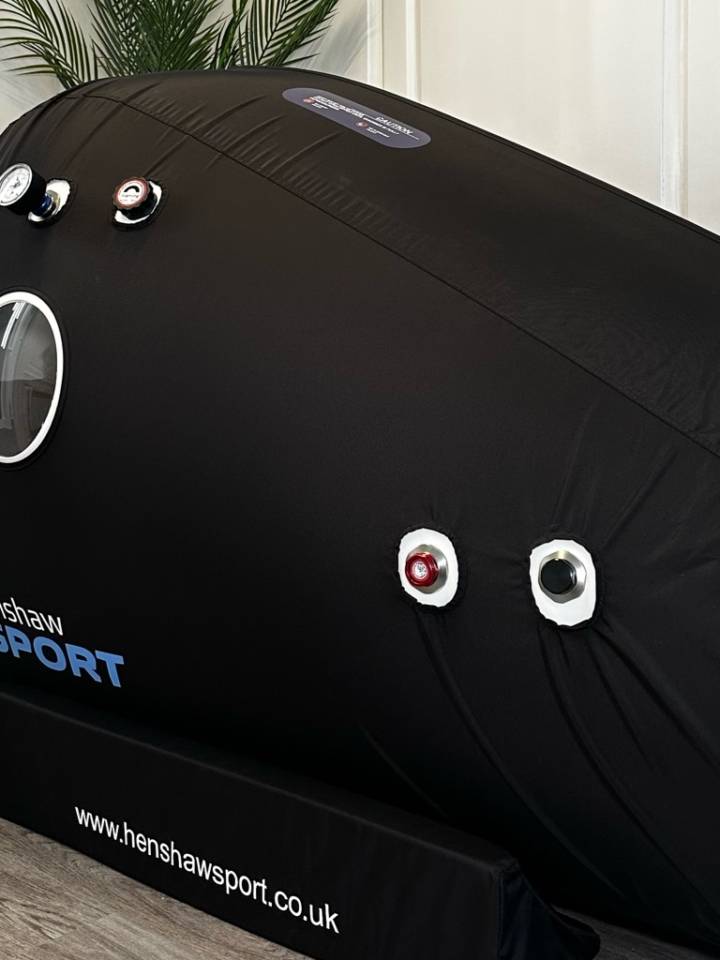
Hyperbaric Soft-Shell Chamber: A Complete Patient Guide
Hyperbaric Soft-Shell Chamber: A Complete Patient GuideHyperbaric therapy is a relaxing treatment that involves spending time inside a specially designed chamber where atmospheric pressure is gently increased.

Supramax Pelvic Floor Chair in Norwich
Supramax Pelvic Floor Chair in NorwichNon-Invasive Pelvic Floor Strengthening for Women & Men
EMFACE in Norwich: The Complete Guide to Non-Surgical Facial Toning, Lifting & Rejuvenation
EMFACE in Norwich: The Complete Guide to Non-Surgical Facial Toning, Lifting & RejuvenationIf you’re looking for a non-surgical facial treatment that works on both the skin and the underlying facial muscles, EMFACE is an increasingly popular option.
IPL for Pigmentation, Redness & Vascular Concerns in Norwich: The Complete Patient Guide
IPL for Pigmentation, Redness & Vascular Concerns in Norwich: The Complete Patient GuideIf you are noticing brown pigmentation, sun spots, uneven skin tone, facial redness, broken capillaries or visible thread veins, IPL may be an effective treatment option for improving the appearance of these concerns.
The Complete Guide to Laser Hair Removal, Hair Reduction & Smoother-Looking Skin
The Complete Guide to Laser Hair Removal, Hair Reduction & Smoother-Looking SkinA detailed patient guide to the treatment, benefits, results, risks and aftercare
LASER CARBON FACIAL
LASER CARBON FACIALThe Complete Guide to Carbon Laser Facials, Skin Rejuvenation & Clearer-Looking Skin
A detailed patient guide to the treatment, benefits, results, risks and aftercare
LASER EYEBROW TATTOO REMOVAL
LASER EYEBROW TATTOO REMOVALThe Complete Guide to Removing Tattooed, Microbladed & Semi-Permanent Eyebrows. A detailed patient guide to treatment, results, risks and complications
WOW Fusion Treatment in Norwich: Benefits, Results, Downtime & Cost
WOW Fusion Treatment in Norwich: Benefits, Results, Downtime & CostWOW Fusion is a personalised skin treatment that combines microneedling with the controlled delivery of carefully selected skincare ingredients through a specialist 20-needle device.
CryoPen FAQs and Aftercare
CryoPen FAQs and AftercareLearn more about the Cryopen treatment and what will happen to your skin post-procedure.
Microneedling for hair loss: What you need to know
Microneedling for hair loss: What you need to knowGenetics, hormonal changes, stress, ageing and health changes can cause hair loss and thinning. Whatever the cause, you may feel frustrated, disheartened and lack confidence and want to do something about it.