The role of the pelvic floor
The pelvic floor is a group of muscles that sit at the base of the pelvis. These muscles support the bladder and bowel and contribute to continence, posture, core stability and sexual wellbeing.
When pelvic floor muscles weaken or lose coordination, they may not respond effectively during everyday movements such as coughing, lifting or exercising. Over time, this can lead to symptoms such as urinary leakage, a feeling of reduced support through the pelvis, or changes in sensation.
Pelvic floor muscle exercises are widely recommended and can be very effective. However, many people find it difficult to identify the correct muscles or to maintain a consistent exercise routine long enough to see improvement. This is particularly common when symptoms are mild or fluctuate over time.
What is a pelvic floor chair?
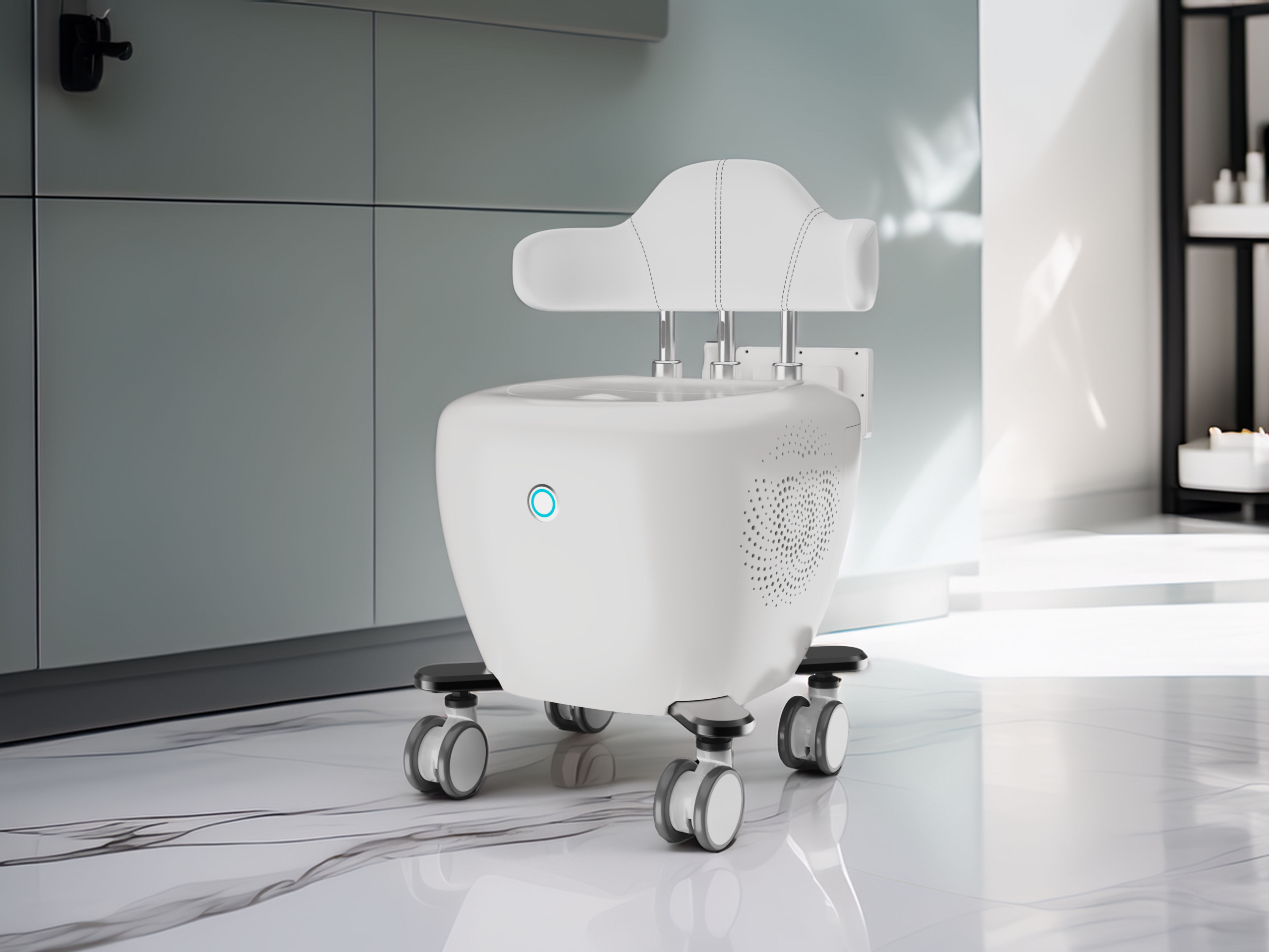
Pelvic floor chair therapy was developed to support pelvic floor muscle strengthening. These devices may also be referred to as pelvic floor strengthening chairs, pelvic floor exercise chairs or pelvic floor rehabilitation chairs. There are several different systems available, and at The Clinic we use the Supramax Pelvic Floor Chair as part of our clinically guided treatment approach.
How does a pelvic floor chair work?
The Supramax Chair uses High-Intensity Focused Electromagnetic (HIFEM) technology to stimulate and tighten the pelvic floor muscles. This technology is widely used in clinical settings to support pelvic floor rehabilitation and the management of incontinence. In the United States, HIFEM-based pelvic floor treatments are FDA approved.
During treatment, the electromagnetic field stimulates the nerves responsible for pelvic floor contraction. A single session delivers up to 10,000 pelvic floor muscle contractions over approximately 28 minutes. These contractions are deeper and more sustained than those usually achieved through voluntary exercise, such as kegels.
Treatment is delivered in a private, comfortable, clinical setting and you remain seated and fully clothed throughout. The sessions are also short and there is no recovery time because the treatment is non-invasive and does not involve needles or internal procedures.
A course of sessions is recommended, rather than a one-off appointment. While individual needs vary, a common starting point is two sessions per week over four weeks. This allows the pelvic floor muscles to be stimulated repeatedly and consistently, supporting gradual improvements in strength and coordination over time.
Some people notice early changes during the course, while others experience subtle improvements that continue to develop after treatment has finished.
During our initial consultations at The Clinic, the recommended number of sessions is discussed in the context of individual symptoms, goals and medical history. After completing their course, some people choose to have occasional maintenance sessions. These are discussed on an individual basis as improvements develop.
Who pelvic floor chair treatment is for
Pelvic floor stimulation is most commonly considered by women who experience bladder leakage during movement, exercise or coughing, or who notice changes in pelvic floor strength following pregnancy and can be useful for postpartum recovery. It can also be beneficial during hormonal transitions such as perimenopause or menopause. This may include a sense of pelvic heaviness or pressure, particularly during standing, walking or physical activity.
It may also be discussed with individuals who struggle to engage pelvic floor muscles effectively through exercises alone, or who are looking for additional support alongside other approaches.
Men can also experience pelvic floor weakness, particularly in relation to bladder control or following prostate-related procedures. Pelvic floor rehabilitation is already well recognised within men’s healthcare, and chair-based stimulation may be considered as part of a wider, clinically guided plan.
As with all treatments, pelvic floor chair therapy is not suitable for everyone. Factors such as pregnancy or certain implanted medical devices may mean alternative options are more appropriate.
What are the benefits of pelvic floor chair therapy?
For some people, strengthening pelvic floor muscles may improve bladder control, particularly where leakage occurs during coughing, sneezing or physical activity. Others notice improved muscle awareness and coordination, which can support better core stability and pelvic support during everyday movement. It also supports postpartum recovery and enhances intimate confidence.
Pelvic floor muscle strength also plays a role in sexual wellbeing. Improved muscle tone and control may contribute to changes in sensation or comfort for some individuals, although experiences differ and changes occur over time.
Because pelvic floor chair treatment involves repeated muscle activation without conscious effort, it may be helpful for people who find it difficult to engage the correct muscles through exercises alone. In these cases, treatment can act as a supportive starting point or complement other pelvic floor care approaches.
How much does pelvic floor chair treatment cost?
At The Clinic, pelvic floor treatment using the Supramax Chair is priced at £400 for a course of eight sessions. A consultation is required before treatment to ensure this approach is appropriate and to answer any questions you may have. Maintenance sessions are £50 for a 30-minute session.
Next steps
Pelvic floor symptoms are common and often under-discussed. For some people, simple exercises or lifestyle adjustments are enough. Others may find that additional support helps them feel more comfortable and confident.
If pelvic floor concerns are affecting your quality of life, pelvic floor chair treatment may be a solution. If you’d like to discuss your options and a personalised treatment, give us a call to book a consultation with our friendly team in Norwich.

Book a treatment
Book an initial consultation so that we can discuss your concerns and the options available. Existing patients are welcome to book additional consultations to discuss further treatment options.